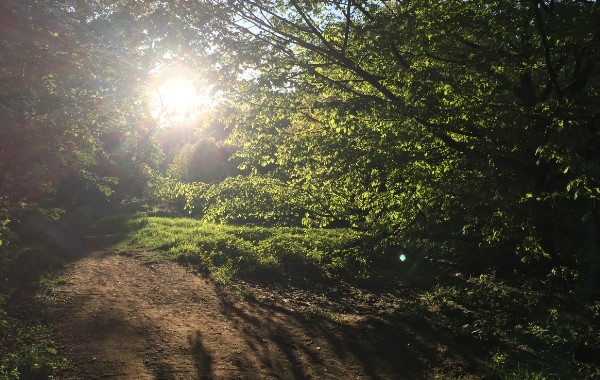
Jane reflects on a kinder alternative to New Year resolutions.
Many of us will be glad to see the back of 2020. In England tougher lockdown rules may make us feel we are in a slight time warp, reminiscent of late March. But prospects of things improving are good and taking time, if we can, to review the year and look forward, can be beneficial.
I have been thinking about New Year’s resolutions. I had not considered before that they are often founded on a self-critical approach, often prompted by questions such as ‘What has dissatisfied me?’ or ‘What has gone badly which I want to do better?’. This means that the resulting resolutions can often feel punitive rather than motivating. It could help explain why we tend to keep to so few of our resolutions.
It is great to want to improve, but after a year when normal life, contact with others and choices shrank often to the size of our home, I would suggest two things may help us as we head into the brave new world of 2021:
1. Frame questions to yourself positively
When you review the year, instead of self-critical questions, try asking things like
‘What did I learn in 2020 which could help me in 2021?’
‘What positive changes have I made?’
or: ‘What has made me feel better about my life this year?’
This will encourage you to appreciate some of the good developments during the year, however tiny they may be, and however bleak and sad the context. It will also help to put you into a growth mindset and potentially help you to see a very dark year in a more encouraging way.
2. Go for continuity and development rather than dramatic changes
Change is often effective when it happens gradually and repetitively. We are creatures of habit, so spotting, and building on, positive habits can be a great way to make longer-term improvements and increase our well-being and happiness.
When looking forward to 2021, try asking yourself these questions:
‘What have I done better and want to take with me into the New Year?’
‘What positive changes could I nurture and do a bit more of?’
3. Look at where you do have choices and control
At a time when we have had many everyday freedoms restricted or removed, it is only human to feel despair or disempowered. But the freedom we retain is choosing our focus, choosing where we place our thoughts and how we use our resources. We could use those resources to rail against the awfulness of the pandemic and its impact on our lives. Or we could use those resources to look at what we do have available to support ourselves and how we can make the best of them.
Take a look at our blog about using this technique to reduce your stress levels.
And finally…
The approach suggested in this blog is rooted in coaching practice – learning to listen well to yourself. There is a free, extended self-coaching exercise you could try – available on our Resources page. If you find this approach helpful and are interested in having coaching, get in touch.
Wishing you all a happier New Year!