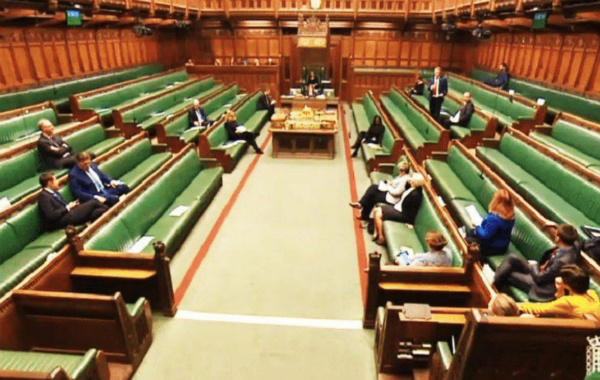
When an important discussion is held in Parliament about inequalities in our socitey, would you expect more MPs to turn up for it?
The UK was active in developing the UN’s Convention on the Rights of People with Disabilities (UNCRDP) which was signed in 2007. It ratified the convention in 2009. The Convention sets out comprehensive rights of people with disabilities to be treated as equal citizens. The UN regularly reviews countries’ progress against the convention. In recent years the UK has been under its spotlight, with more frequent reviews and calls for improvements. The most recent review of the UK took place in August this year (2017) in Geneva. The Committee on the Rights of People with Disabilities received evidence from a wide range of sources for 2 days. The Chair, Theresia Degener, a Professor of Law and Disability Studies, then made a statement including unusually strong negative language about the UK’s record, describing the situation as a ‘human catastrophe’.
The committee expressed strong concerns about:
- The UK’s record on disability rights having ‘gone backwards’ in a pace and to an amount that worried the Committee a lot.
- Cuts to social security (austerity cuts) had been so severe that they have become life-threatening to many disabled people.
- Media portrayal of disabled people and the persisting incidents of negative attitudes and stereotypes and prejudice.
The UK government will have to return to Geneva 12 months from the review in August 2018 to report on how it has acted on the Committee’s recommendations.
The mainstream media interviewed Professor Degener in Geneva. The UN also recorded that interview and the full, 10-minute version has been seen by Disability News Service. This interview is said to include even stronger language, including disabled people being portrayed as ‘parasites’ in the UK and describing this tendency as ‘very, very dangerous’ and potentially leading to violence against disabled people.
The interesting thing is that the media used about 20 seconds of an interview with the Professor Degener.
This raises an important question. When the most powerful international body to whose convention the UK is committed, issues warnings in such strong terms, and when this relates to the media’s portrayal of disability, why hasn’t mainstream media drawn on this interview more fully?
A DWP spokesperson expressed the government’s disappointment in the report, citing its high spend (over £50 billion annually) on support for disabled people and those with health conditions. She also stressed how powerful the UK’s equalities legislation was and the Government’s commitment to further rights and opportunities for disabled people .
This stated commitment, did not, however seem to translate into interest on the part of MPs. On 11 October 2017, the UK Parliament debated the UN report. A damning photograph (see above) showing the very low attendance at the debate makes clear the government’s lack of interest in the issue. 18 MPs – less than 3% of the total turned up.