
Dr Jane Lindsay is the founder of The Second Loop, a Leadership Coach and graduate of Result CIC's DELTA programme. We asked her to write about Autism Pride Day.
Find Jane on LinkedIn here.

When I was asked to write this blog, I confess that I had to Google Autistic Pride Day. Discovering that it was created by and for the autistic community, and that this year it is linked to a global campaign for systemic change The Campaign - Autistic Pride Day, challenged my assumptions and made me want to learn more.
For me, Autistic Pride Day is not only a celebration of autistic people but an invitation to look again at the assumptions we make about difference. It invites us to recognise that autistic ways of thinking and experiencing the world are not simply valid, but valuable to our communities and organisations.
Trying to fit in
My own journey to this point of view has been long and complex. Over the last twenty-two years, I have been a leader, academic, coach, psychotherapist and, more recently, an advocate for neuroinclusion. I only learned that I was autistic eighteen years into my career journey. Looking back now, I see that my ability to identify patterns across complex systems, think strategically about long-term challenges and approach problems from different perspectives is likely connected to the way my autistic mind works. Similarly, my constant drive to understand human communities and relationships may well have emerged from my own experience of feeling like an outsider looking in.
While I worked hard to ‘fit in’, I often felt out of step with the environments around me. I was fortunate to be coached by Jane Cordell through the UK Civil Service DELTA (Disability Enables Leadership Talent) programme. Through that coaching, I began to recognise how much energy I was spending simply trying to navigate the environments around me. Navigating complex organisational cultures governed by unwritten rules was often confusing and exhausting. Like many autistic people, I learned how to perform well by observing, adapting and working out what was expected of me. But I paid for those skills through burnout, anxiety and poor mental health.
The value of coaching
Having spent much of my life struggling with low self-esteem and convinced of my own shortcomings, I now see things differently. I have often described my experience as being a Samsung phone in an iPhone world. What I, and often the world around me, interpreted as flaws, I now recognise as signs of difference rather than deficit.
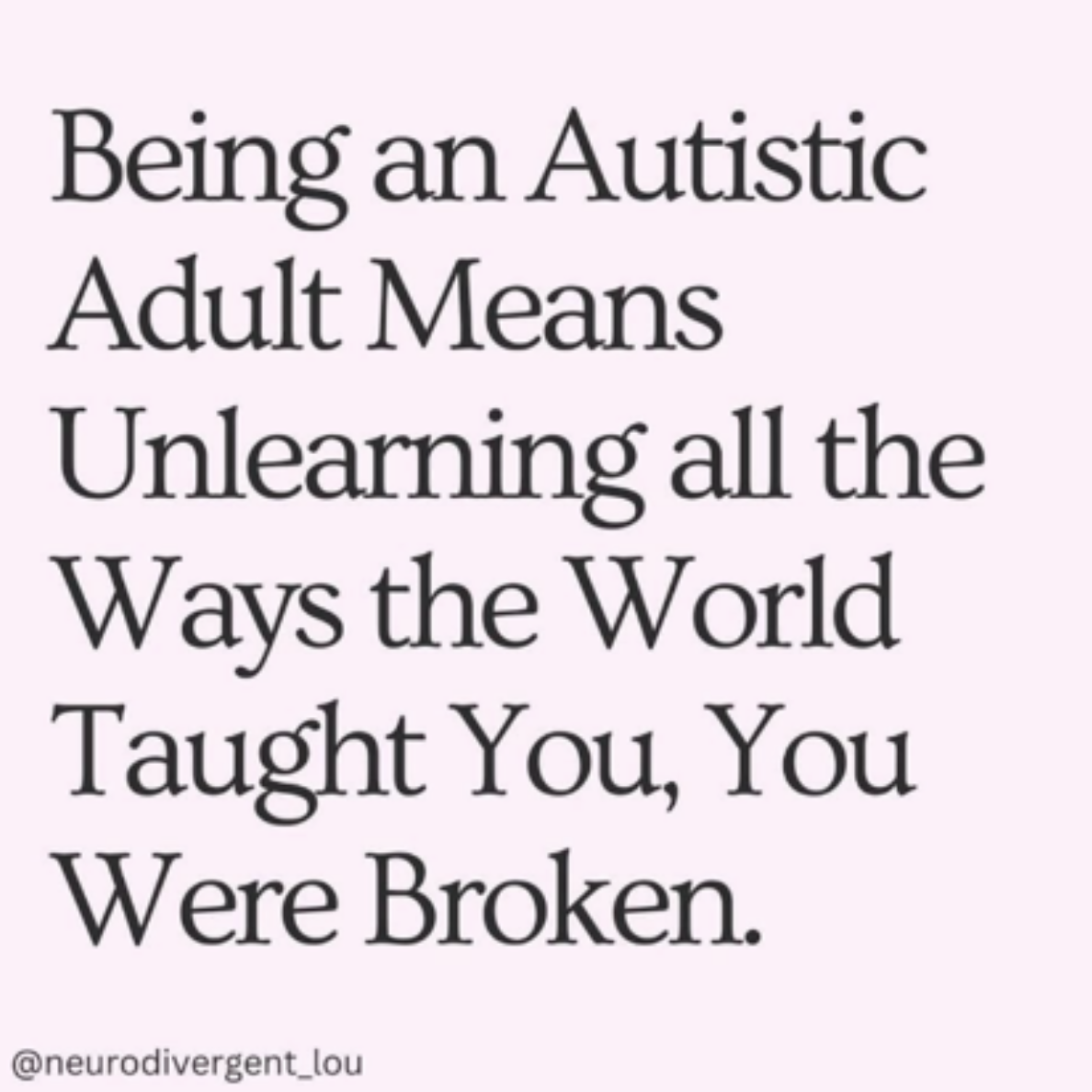
Receiving an autism diagnosis did not change who I was; it changed how I understood myself. Coaching has played an important role in that process. It has helped me recognise both my strengths and the cost of constantly adapting to environments that were not designed with my brain in mind.
From the outside, I appeared successful, but that success depended on a great deal of invisible effort: observation, adjustment, self-monitoring and adaptation. What looked like resilience from the outside was often sustained by invisible effort. The challenge was never capability; it was the effort required to continually adapt to systems that did not naturally fit the way I thought, communicated and worked.
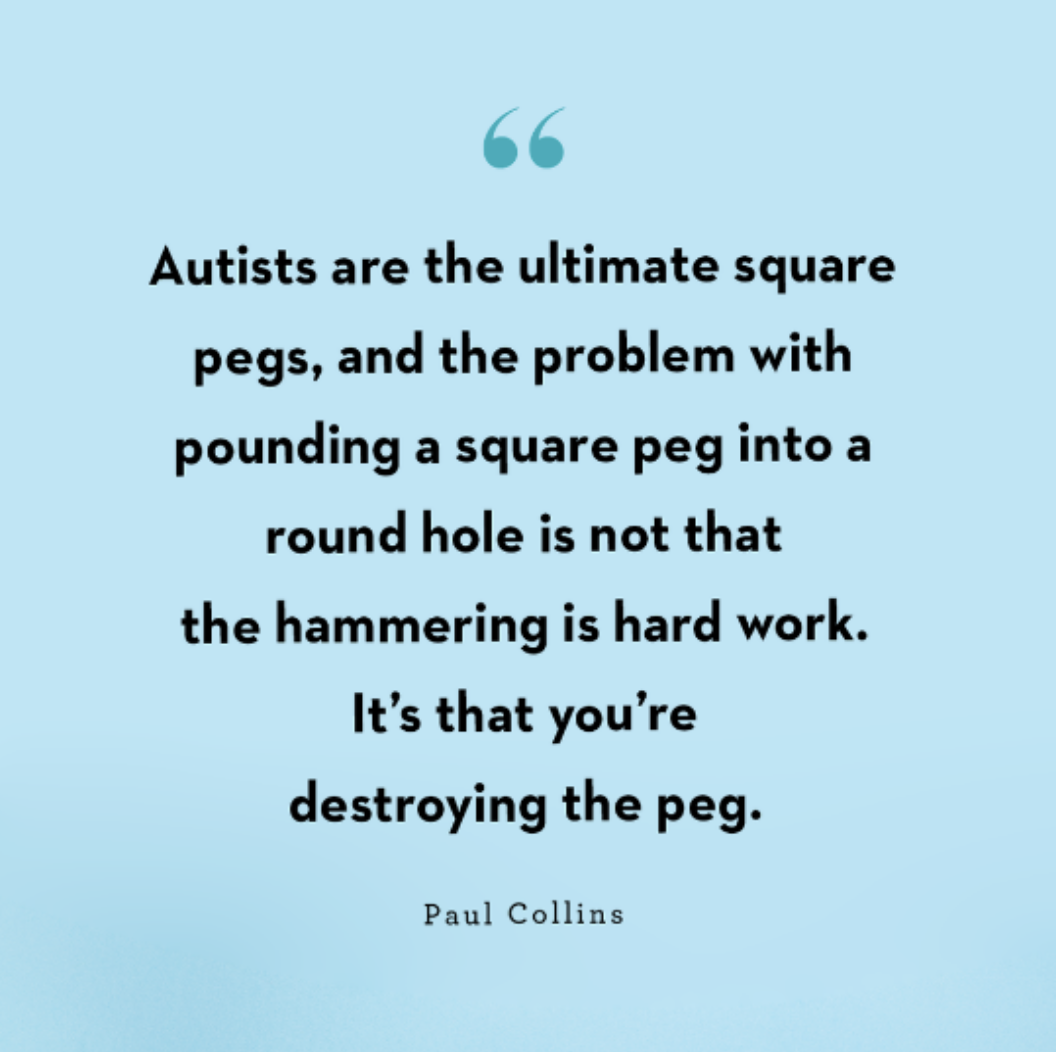
This is one reason why I am passionate about understanding the relationship between autism and mental health. Too often, support arrives only after the cumulative cost of adaptation and masking has resulted in burnout, disengagement or the loss of talent. Access to coaching and reflective support remains uneven and is often concentrated among those who are already functioning within existing systems.
Inclusion is not only about supporting those already inside the system. It is about creating environments that people can enter trusting they will not have to leave parts of themselves at the door. Genuine inclusion asks how systems, cultures and assumptions might need to adapt too.
Seeing things differently
Reflecting on my career through this lens has fundamentally changed the way I think about leadership and organisational change. Perhaps the most important lesson is that many of the assumptions we make about people and about work are just that: assumptions.
We often build organisations around assumptions about what confidence, communication and leadership should look like. Yet some of the most innovative and impactful people I have worked with do not fit those expectations at all. Jane Cordell, whose coaching helped me see new possibilities for myself, is one example among many.
This is part of what motivates me to work in a way that is powered by neurodivergence. I am passionate about neuroinclusion, but I become frustrated when I see it framed primarily as something leaders, managers and organisations do for neurodivergent people. Appropriate adjustments matter enormously, but they are only part of the picture.
Increasingly, research* demonstrates that neuroinclusive workplaces experience benefits that extend well beyond neurodivergent employees themselves, including stronger retention, greater innovation, improved problem-solving and more consistent management practices. When organisations create conditions in which autistic people can thrive, they often create conditions in which everyone succeeds and collective value is increased.
Leaders and organisations today face challenges that cannot be solved by applying the logic of the past or relying on a single perspective. Diversity of thought is a strategic advantage. Yet I still see organisations treating inclusion as something managed by HR, focused on welcoming different people into the same systems. The real opportunity lies in creating cultures where different perspectives can actively shape those systems, challenge assumptions and influence how organisations evolve.
The power of ‘unlearning’
The story of my career so far—from leader to coach, advocate, psychotherapist and consultant—has been shaped by one central idea: meaningful change begins when we are willing to look again.
Autism has taught me that there is no single right way to think, communicate or lead, and that unlearning can be just as important as learning. The way we have always done things is not necessarily the way things must be done. In a world that is becoming increasingly complex, uncertain and interconnected, that feels like a valuable lesson for all of us.
I’d encourage you to think about Autistic Pride Day not just as a celebration for autistic people, but as an opportunity to recognise the value of different ways of seeing, thinking and being. It is a reminder that many of the assumptions we hold about work, leadership and success are neither ‘natural’ or ‘inevitable’. Most importantly, it is an invitation to look again: at what inclusion means, what leadership requires, and the value that different minds bring to our organisations and our collective future.
What assumptions about performance, professionalism or leadership might you need to unlearn?
* For example, Ernst and Young’s Global Neuroinclusion at Work Study (2025) found that when neurodivergent professionals feel genuinely included: Overall proficiency in key workplace skills increases by around 10% , Resilience, flexibility and agility increase by 17%, Leadership and social influence increase by 15%, Curiosity and lifelong learning increase by 12% Acting on neuroinclusion accelerates business success | EY - Global

We are what we do and we love what we do.